
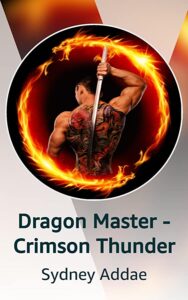
Every author’s journey is unique, but few are as non-linear as the path that led my Dragon Master series from experimental serialized fiction to published novels. If you’ve ever wondered about the behind-the-scenes reality of modern publishing, or how a story evolves from initial concept to finished book, let me take you through my unexpected adventure.
It started with curiosity about Kindle Vella, Amazon’s serialized fiction platform. As an author always looking for new ways to connect with readers, I wanted to experiment with episodic storytelling. The Dragon Master universe began as a series of standalone episodes—short, punchy installments designed to end on cliffhangers that would keep readers coming back.
Writing for serial publication taught me things about pacing and tension that traditional novel writing never could. Every episode had to be satisfying on its own while advancing the larger story. Readers could abandon the series at any moment, so every installment had to earn their continued attention.
The feedback was immediate and intense. Vella readers are passionate—they comment, they theorize, they demand answers. This real-time interaction shaped the story in ways I never expected. Reader questions helped me realize which world-building elements needed more explanation. Their emotional reactions showed me which characters resonated most strongly.
But here’s what I didn’t anticipate: the episodic format was changing how I thought about story structure. Instead of the traditional three-act structure, I was thinking in smaller arcs that nested within larger ones. Each episode was a complete emotional journey while contributing to the overarching narrative.
When the time came to transition to traditional book format, I faced an unexpected challenge. The serial wasn’t just a rough draft—it was a completely different storytelling approach. Simply combining episodes into chapters didn’t work. The pacing was wrong, the revelations came too quickly, and the emotional beats were too intense.
I had to essentially rebuild the story from the ground up, keeping the core plot and characters but restructuring everything for the different reading experience of a complete novel. It was like translating between languages—not just changing words, but adapting the entire way meaning was conveyed.
The process taught me that publishing isn’t just about getting your story to market—it’s about understanding how format affects storytelling. The same story told as a serial, a novel, an audiobook, or a graphic novel would require different approaches to pacing, character development, and reader engagement.
What made the transition worthwhile was seeing how the story grew stronger through each iteration. The serial taught me to make every scene count. The novel format allowed me to develop emotional depth and character complexity that the episodic structure couldn’t support.
Now, when I write, I think about both immediate engagement and long-term satisfaction. I’ve learned to create moments that work both as weekly entertainment and as part of a complete reading experience.
Thank you for reading! To see the final result of this journey and explore the complete Dragon Master series, visit my books at sydneyaddae.com/books-2/. For more behind-the-scenes content about the writing and publishing process, join Knight’s Chronicles: sydneyaddae.com/knight-chronicles/
